021-52808629

Current location:Home > Product Center > Valve Series > EVAPORATOR PRESSURE REGULATOR

  • EVAPORATOR PRESSURE REGULATOR
  • EVAPORATOR PRESSURE REGULATOR

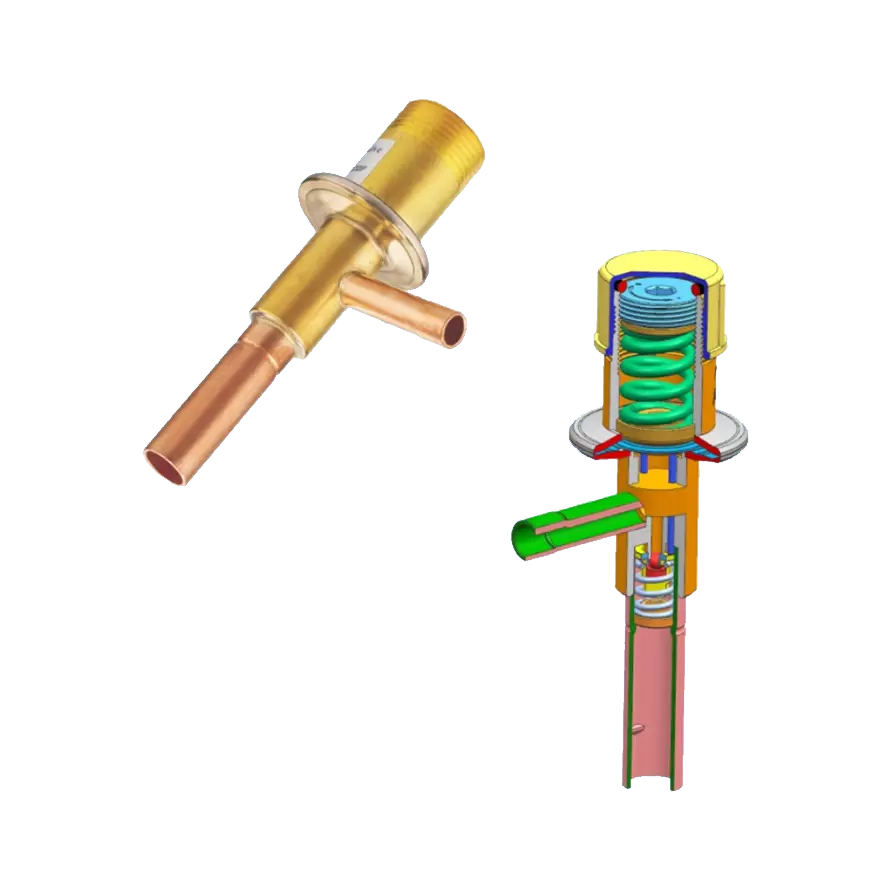
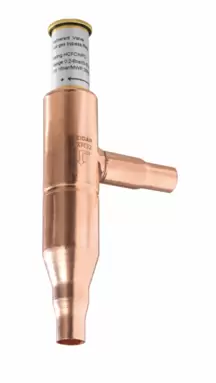
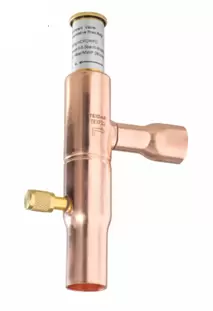
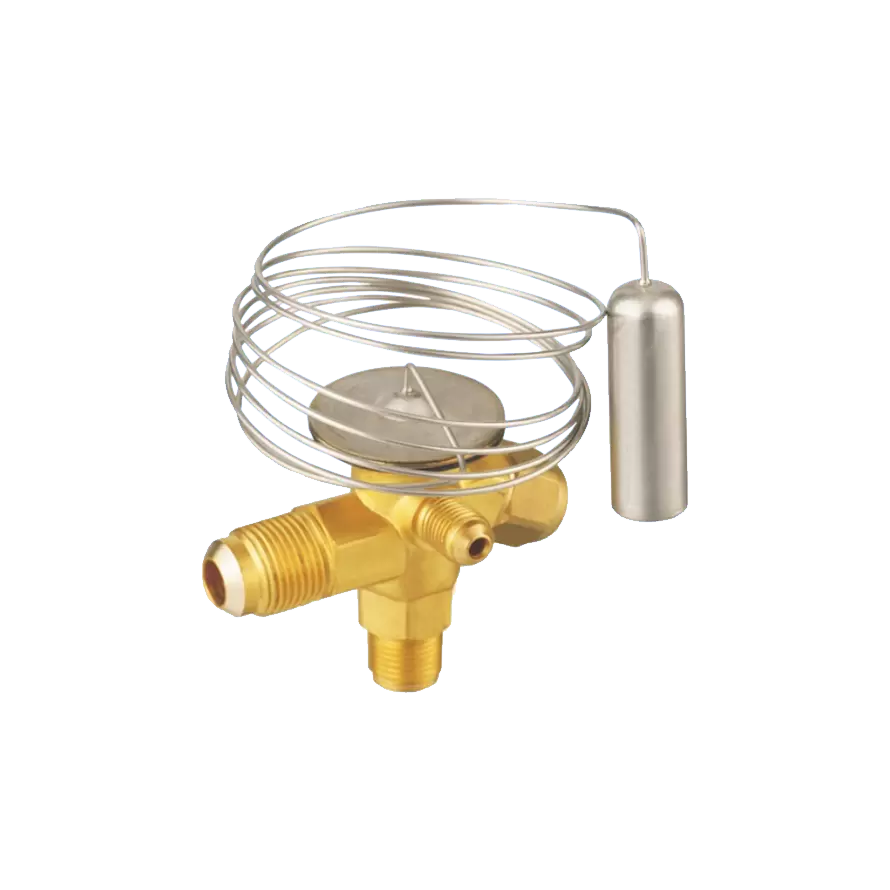
EVAPORATOR PRESSURE REGULATOR

The TKVP is mounted in the suction line after the evaporator, and is used to:

  1. Maintain a constant evaporating pressure and thereby a constant surface temperature on the evaporator. The regulation is modulating, by throttling in the suction line, the amount of refrigerant gas is matched to the evaporator load.

  2. Protect against an evaporating pressure that is too low (such as protection the evapo-rator against freezing in a water chiller). The requlator closes when the pressure in the evaporator falls below the set value.

  3. The TKVP can also be used to differentiate the evaporating pressures in two or more evaporators in systems with one compressor.

139-1620-9256
Call the hotline to learn more

* WeChat is the same as your phone number, and you can also add WeChat for communication

Introduction

The TKVP is mounted in the suction line after the evaporator, and is used to:

1.Maintain a constant evaporating pressure and thereby a constant surface temperature on the evaporator. The regulation is modulating, by throttling in the suction line, the amount of refrigerant gas is matched to the evaporator load.

2.Protect against an evaporating pressure that is too low (such as protection the evapo-rator against freezing in a water chiller). The requlator closes when the pressure in the evaporator falls below the set value.

3.The TKVP can also be used to differentiate the evaporating pressures in two or more evaporators in systems with one compressor.

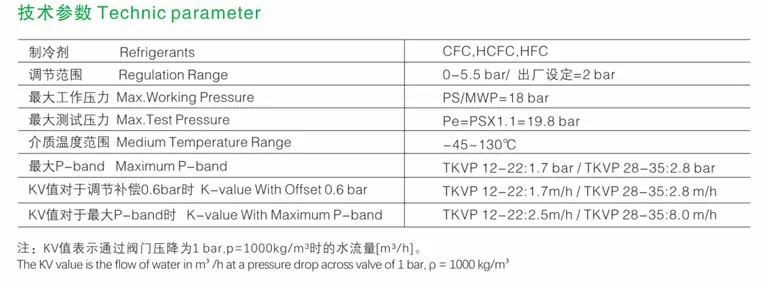
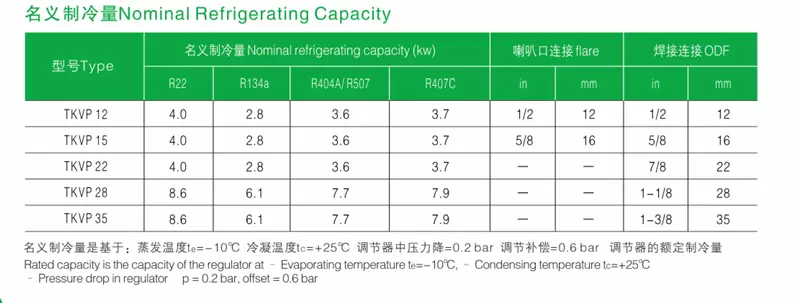
Technical Specifications


What are you interested in?

Consultation Hotline:021-52808629 / 139-1620-9256

After years of continuous improvement and upgrading, exploration and innovation, Shanghai Teda Refrigeration and Heating Technology Co., Ltd. focuses on the research and development, manufacturing and sales of high-quality refrigeration and air conditioning system components